10 Fascinating Facts About Kenyan Tribes You Did not Know
Kenya is a country rich in cultural diversity, home to over 40 distinct ethnic groups, each with its own unique traditions, languages, and ways of life. From the vast savannahs to the lush highlands, Kenyan tribes have preserved fascinating customs that continue to intrigue travelers, historians, and cultural enthusiasts alike.
In this blog, we explore 10 fascinating facts about Kenyan tribes you didn’t know, shedding light on traditions, beliefs, and lifestyles that make Kenya one of the most culturally vibrant countries in the world.
- The Maasai Measure Wealth in Cattle, Not Money
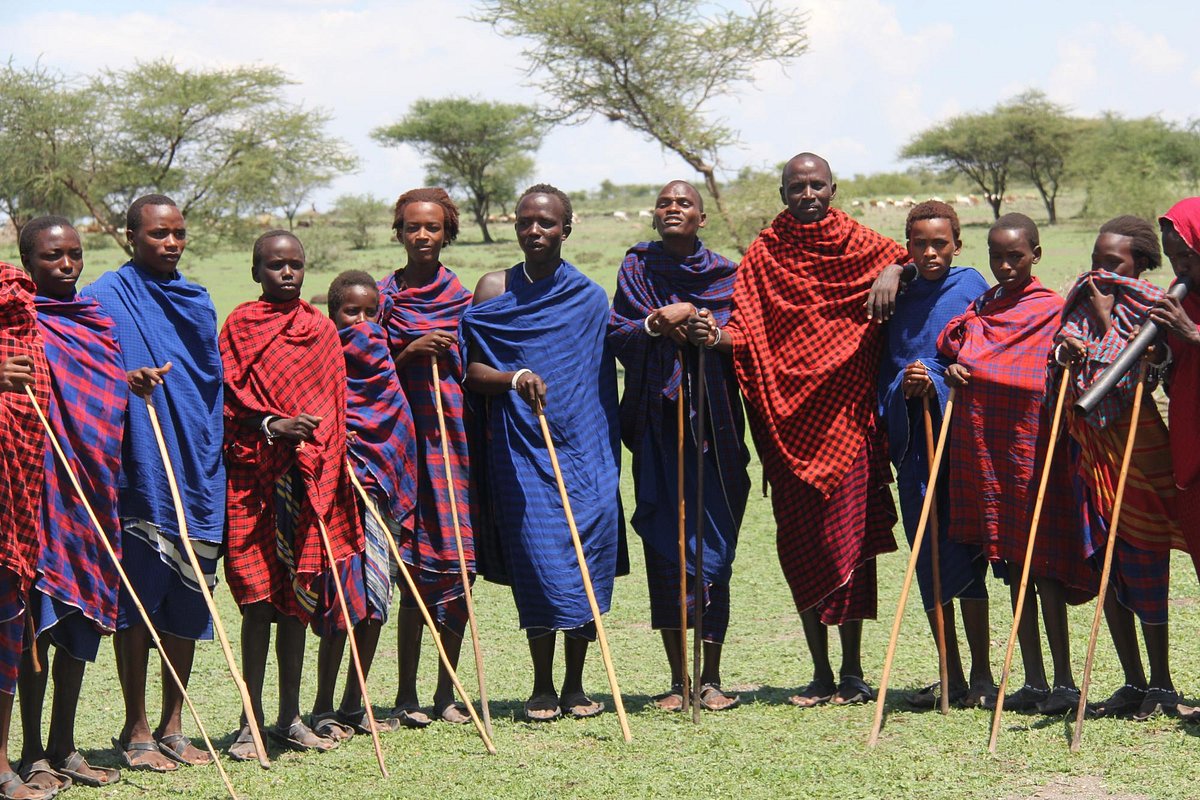
One of the most well-known Kenyan tribes, the Maasai, have a unique way of measuring wealth. Unlike modern societies that rely on currency, the Maasai traditionally measure wealth in terms of cattle.
Cattle are central to Maasai life, they provide milk, meat, and even serve as a form of social currency. A man’s status in the community is often determined by the size of his herd. Interestingly, cattle are also used in dowries during marriage negotiations.
This deep connection between people and livestock reflects a lifestyle that has remained largely unchanged for centuries.
- The Kikuyu Believe in a Sacred Mountain
The Kikuyu, Kenya’s largest ethnic group, have a spiritual connection to Mount Kenya, which they consider sacred. Traditionally, Kikuyu people pray facing the mountain, believing it is the dwelling place of their god, Ngai.
Mount Kenya is not just a geographical landmark but a spiritual symbol deeply embedded in Kikuyu culture. Even today, many rituals and ceremonies are performed with the mountain in mind.
This belief highlights how nature and spirituality are closely intertwined in Kenyan tribal traditions.
- The Samburu Wear Bright Beads to Communicate Status
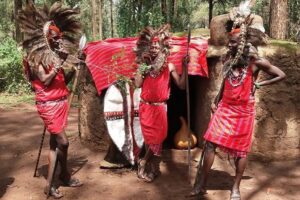
Closely related to the Maasai, the Samburu people are known for their elaborate beadwork. However, these beads are not just decorative, they serve as a form of communication.
Different colours and patterns represent age, marital status, and social rank. For example:
- Red symbolizes bravery
- Blue represents the sky and sustenance
- White stands for purity
By simply looking at someone’s jewellery, members of the community can tell a lot about that person’s identity.
- The Turkana Thrive in One of the Harshest Climates
The Turkana tribe lives in the arid northwestern region of Kenya, an area known for extreme heat and limited water resources. Despite these harsh conditions, the Turkana have developed remarkable survival strategies.
They rely on nomadic pastoralism, moving with their livestock in search of water and pasture. Their resilience and adaptability make them one of the most fascinating Kenyan tribes.
Their culture demonstrates how human ingenuity can overcome even the toughest environmental challenges.
- The Luo Have Unique Funeral Traditions
The Luo people of western Kenya have elaborate funeral practices that reflect their deep respect for the dead.
Funerals are often large, multi-day events that bring together extended family and community members. Music, storytelling, and rituals play a central role in honouring the deceased.
In some cases, ceremonies are delayed until proper arrangements are made, ensuring the person receives a dignified farewell.
These traditions highlight the importance of community and ancestry in Luo culture.
- The Kalenjin Are World-Renowned Long-Distance Runners
The Kalenjin tribe has gained global recognition for producing some of the world’s best long-distance runners.
Many Olympic champions and marathon winners come from this community. While genetics may play a role, cultural factors are equally important. From a young age, children often run long distances to school, building endurance naturally.
Running is not just a sport for the Kalenjin—it’s part of everyday life and identity.
- The Mijikenda Protect Sacred Forests Called Kaya
The Mijikenda people live along Kenya’s coast and are known for their sacred forests called Kaya.
These forests are considered ancestral homes and spiritual centers. Entry into certain areas is restricted and governed by strict traditional rules.
The Kaya forests are not only culturally significant but also play an important role in conservation, preserving biodiversity in the region
- The Borana Use an Ancient Governance System
The Borana people, found in northern Kenya, follow a traditional system of governance known as the Gadaa system.
This system organizes society into age-based groups, with leadership roles rotating every eight years. It ensures fairness, accountability, and community participation.
The Gadaa system is so effective that it has been recognized as an important cultural heritage model.
- The Rendille Celebrate Unity Through Unique Hairstyles
The Rendille tribe, often called the “keepers of camels,” use hairstyles as a symbol of unity and identity.
Young warriors wear distinctive braided hairstyles coated with ochre. These styles signify their stage in life and social responsibilities.
Hair is not just about appearance—it’s a cultural marker that communicates belonging and pride.
- The Swahili Culture Is a Blend of African and Arab Influences
The Swahili people, found along the Kenyan coast, have a culture shaped by centuries of trade between Africa, the Middle East, and Asia.
This blend is evident in:
- Architecture (coral stone buildings)
- Cuisine (spiced dishes like pilau)
- Language (Swahili includes many Arabic words)
Swahili culture represents a unique fusion that sets it apart from other Kenyan tribes.
Why Kenyan Tribes Are So Fascinating
What makes Kenyan tribes truly fascinating is their ability to preserve tradition while adapting to modern changes. Despite globalization, many communities continue to uphold their customs, languages, and values.
These tribes offer valuable lessons about:
- Community living
- Respect for nature
- Cultural identity
- Resilience and adaptability
Final Thoughts
Kenya’s cultural diversity is one of its greatest treasures. These 10 fascinating facts about Kenyan tribes only scratch the surface of the country’s rich heritage.
Whether it is the Maasai’s connection to cattle, the Kikuyu’s spiritual beliefs, or the Kalenjin’s running prowess, each tribe contributes to the vibrant tapestry that defines Kenya.
If you are interested in culture, history, or travel, exploring Kenyan tribes is an unforgettable experience that offers insight into a way of life deeply rooted in tradition.
At Maseke Adventure, we do not sell safaris, we design experiences that stay with you for a lifetime.